
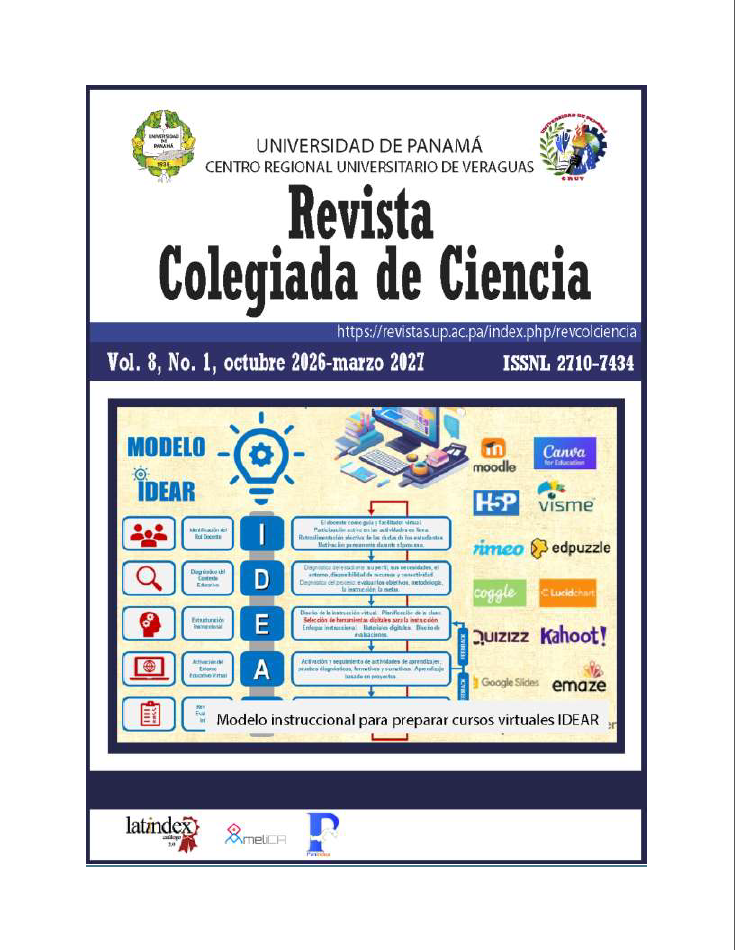
The systematization of digital teaching strategies and instructional models facilitates the educational process for pupils who are continuing their education from home; online learning is presented as an option for those pupils who find themselves in special circumstances such as illness, accidents or teenage pregnancy and are unable to attend their school. A systematic review of the
literature, using a documentary approach, identifies best practices and enables the development of a pilot instructional design model, with the aim of providing teachers with clear tools and guidelines to facilitate student learning. A comparative analysis of current instructional models is carried out; as a result, a pilot model is proposed, which integrates and synthesizes the strengths of the ADDIE, ASSURE, TPACK and Dick & Carey approaches into a flexible and inclusive proposal for virtual education that ensures meaningful and lasting learning in such contexts. The proposed “IDEAR Instructional Model” offers teachers clear tools and guidelines to facilitate their educational work in virtual learning environments. The IDEAR model comprises five fundamental phases: identification of the teacher’s role, focused on the paradigm shift towards becoming a digital facilitator; diagnosis of the educational context, taking into account students’ needs and characteristics; instructional structuring, geared towards the design of activities, resources and strategies; activation of the virtual learning environment, through the implementation and support of the process; and comprehensive review and evaluation, centred on the continuous assessment of learning and the educational process.